7 Common French Mistakes English Speakers Make
Some French errors are so common among English speakers that a teacher spots them in the first thirty seconds. The good news: each one is a single habit, and once you see it, it's easy to fix. Here are the seven I correct most often — plus how to stop making them. ▶ Watch this…
What you'll learn
Some French errors are so common among English speakers that a teacher spots them in the first thirty seconds. The good news: each one is a single habit, and once you see it, it’s easy to fix. Here are the seven I correct most often — plus how to stop making them.
1. ‘I am 30 years’ — age uses avoir, not être
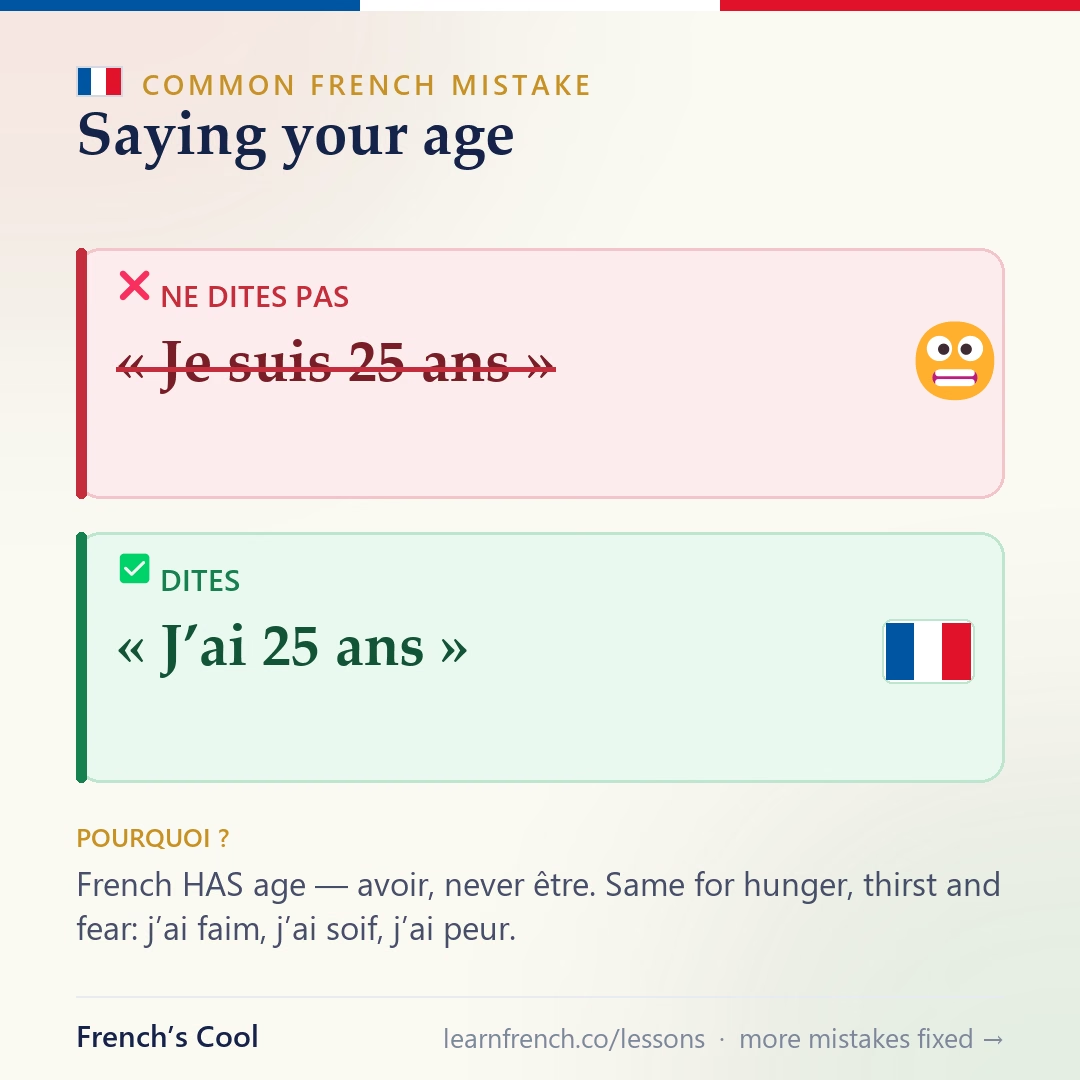
In French you have your age: J’ai 30 ans (literally ‘I have 30 years’), never Je suis 30 ans. The same logic covers hunger, thirst and fear: j’ai faim, j’ai soif, j’ai peur.
2. Forgetting noun gender
Every French noun is masculine or feminine, and it changes the words around it. The fix isn’t to memorise rules — it’s to learn the article with the word: not table but la table, not livre but le livre. Store them together from day one.
3. Pronouncing the final consonant
Most final consonants are silent: Paris, petit, beaucoup, trois. English speakers instinctively sound them out. Train your ear with the rule of thumb ‘CaReFuL’ — the letters c, r, f, l are the ones often kept; most others go quiet.
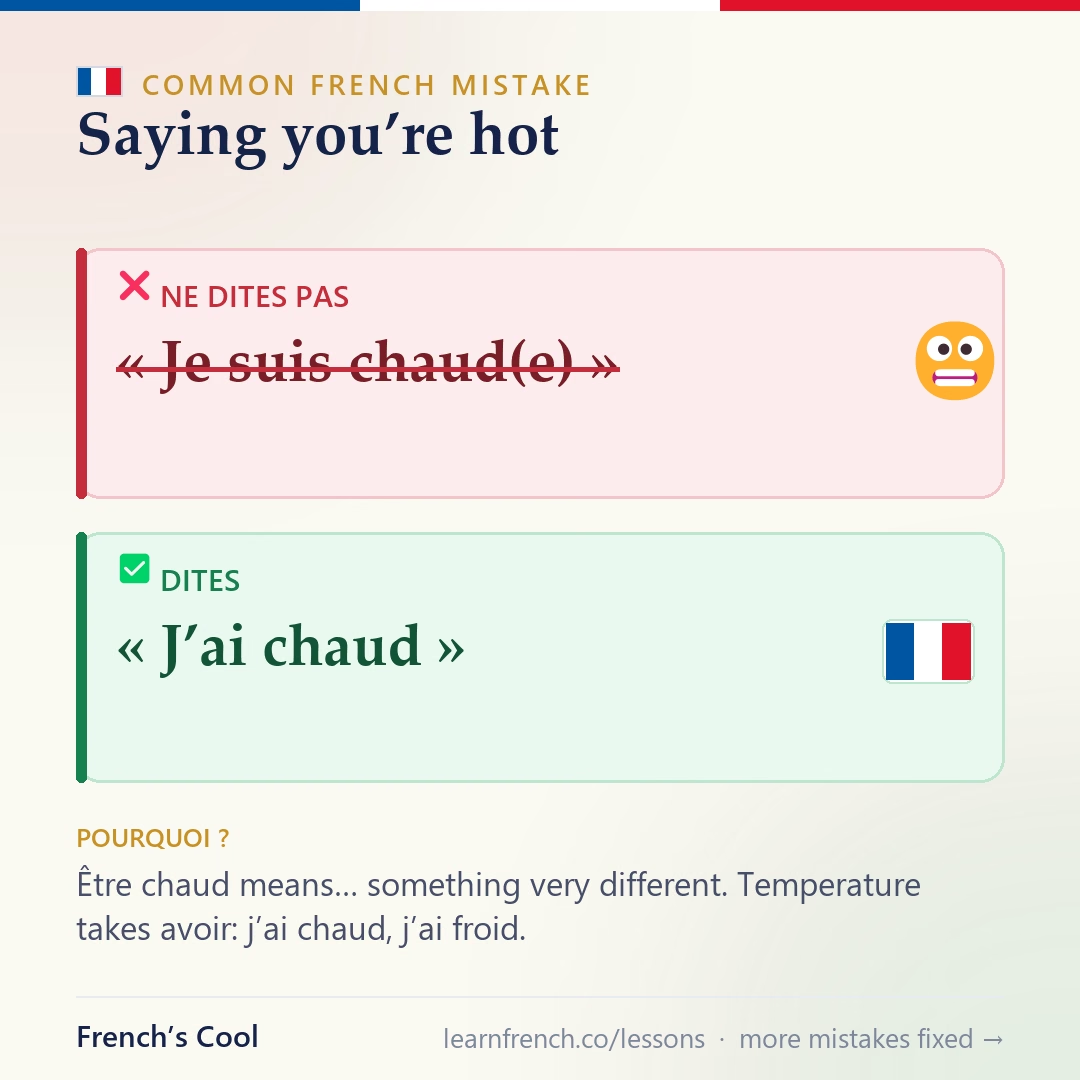
4. ‘Je suis chaud’ — careful with être + adjective
To say you’re hot or cold, use avoir: J’ai chaud, j’ai froid. Je suis chaud means something very different (and a little embarrassing). Small word, big difference.
5. Skipping the liaison
French links words together: les amis is pronounced ‘lez-ami’, vous avez becomes ‘vooz-avez’. Skipping liaisons is the fastest way to sound choppy; adding them is the fastest way to sound French.
6. Overusing ‘très’
Beginners lean on très (very) for everything. French has a richer toolkit: vraiment (really), tout à fait (absolutely), extrêmement (extremely), plutôt (rather). Swapping them in instantly raises your level.
7. Translating English structure word-for-word
French isn’t English with different words. I miss you becomes Tu me manques (literally ‘you are missing to me’). I’m looking for… is Je cherche… with no ‘for’. Trust the French pattern instead of building from English.
Two bonus slips
- Bon vs bien: bon is an adjective (a good meal — un bon repas), bien is an adverb (it works well — ça marche bien).
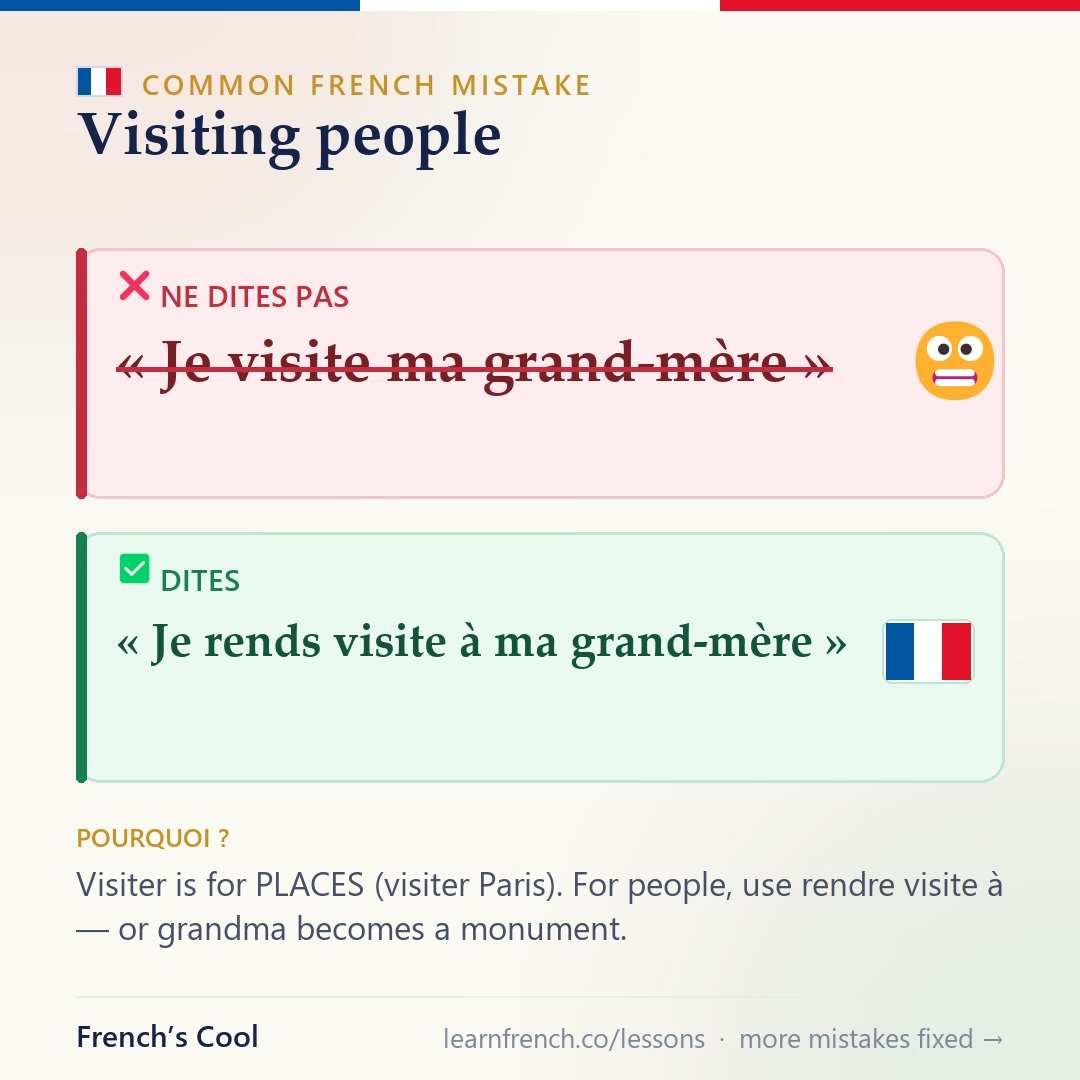
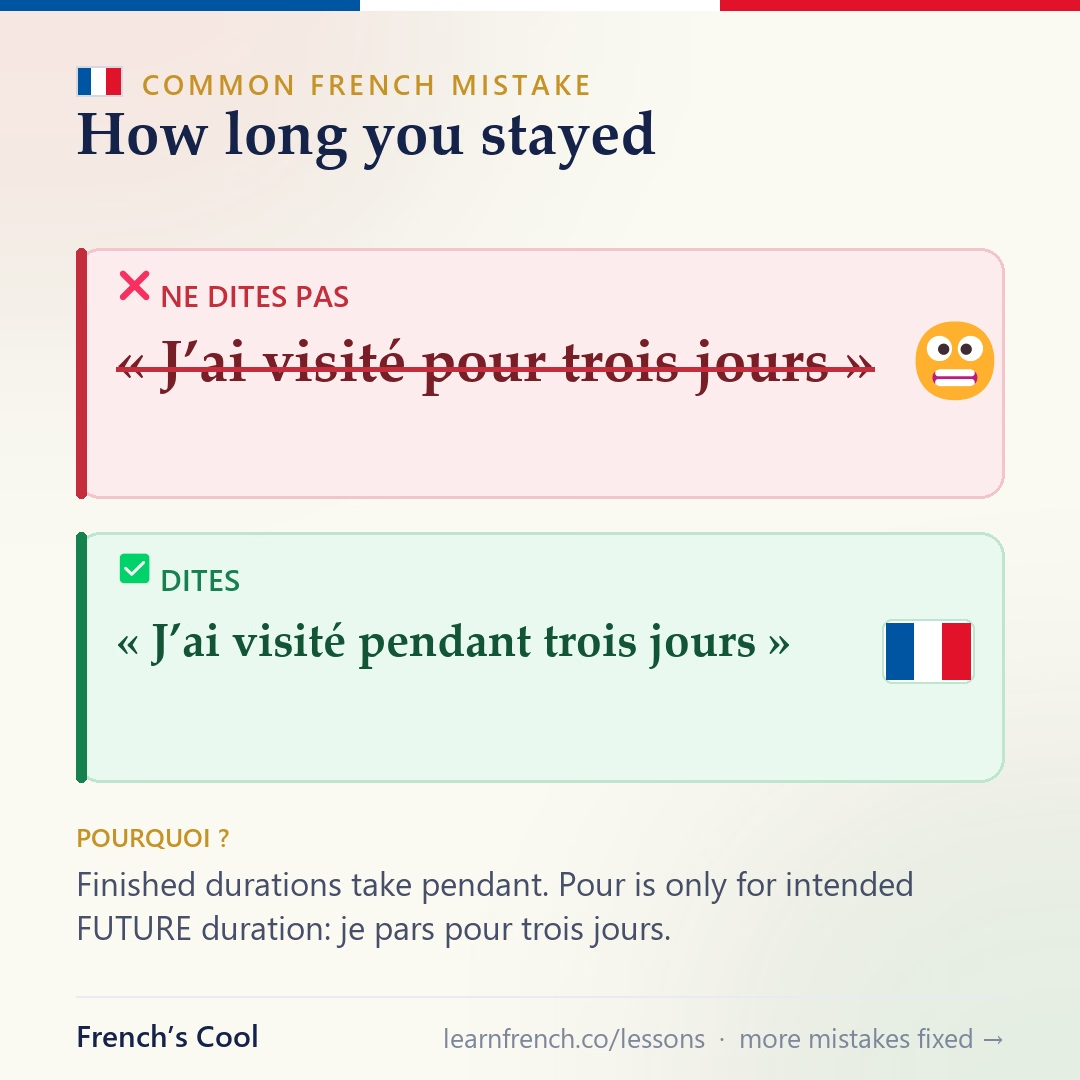
- Visiter vs rendre visite: you visit a place (visiter Paris) but you pay a visit to a person (rendre visite à un ami).
How to actually stop making them
You won’t fix these by reading about them once — you fix them by being corrected in the moment, gently and repeatedly, until the right version becomes automatic. That’s exactly what one-to-one practice is for.
Practise it with a real teacher
Reading about French is one thing — saying it out loud, with someone who corrects you gently and adapts to your level, is what makes it stick. Your first 20-minute lesson with Xavier is free, with no card and no commitment. Book your free lesson and let’s put this into practice.

✍️ Quick quiz — did it stick?
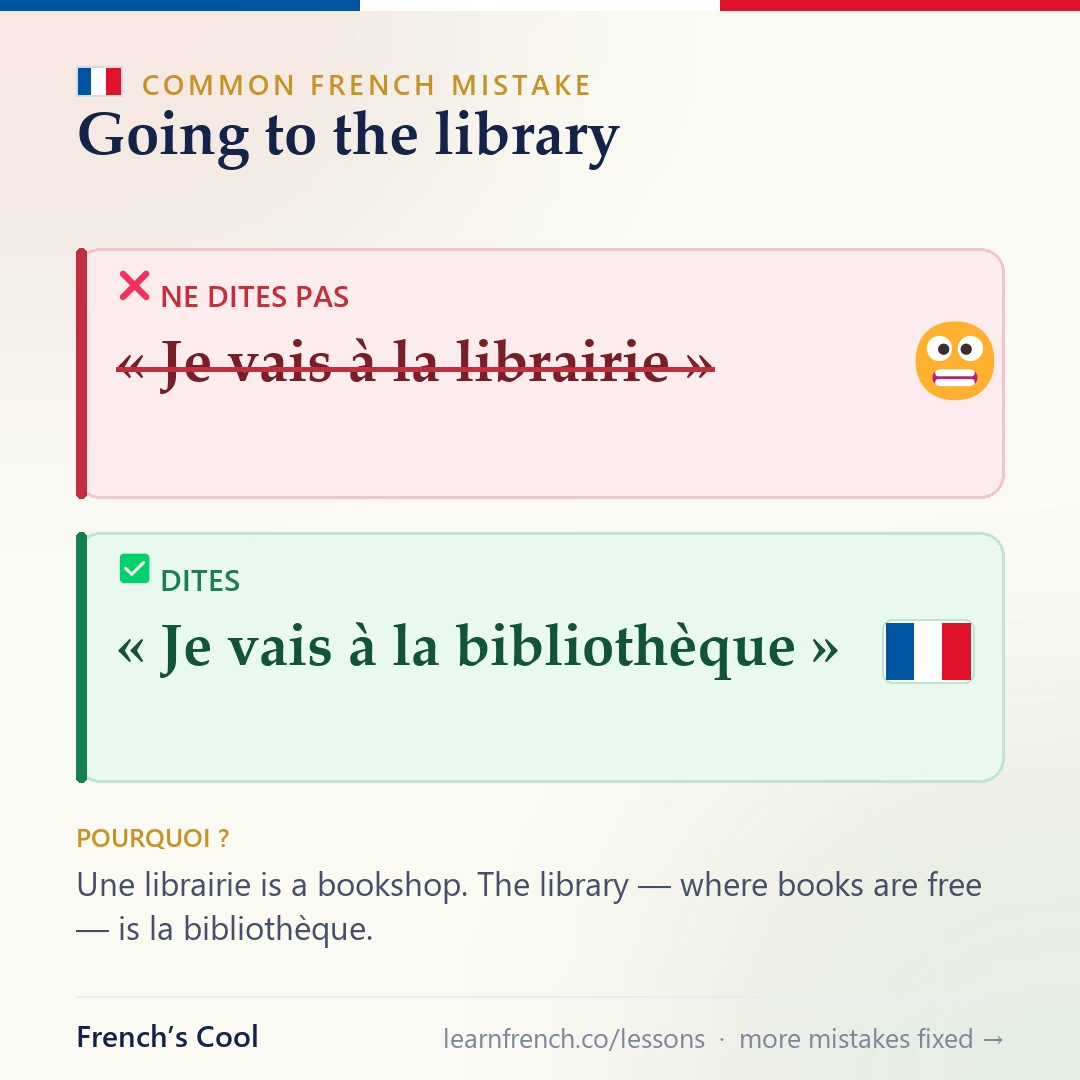
« library » en français → la ___ (faux ami!)
Show answer
bibliothèque
I am 20 years old → j’___ 20 ans. (avoir, not être!)
Show answer
ai
Je mange beaucoup ___ fruits. (after quantity)
Show answer
de
Play the Quiztap to start · quick practice from this material
Loading the quiz…
The mistakes that survive into intermediate French
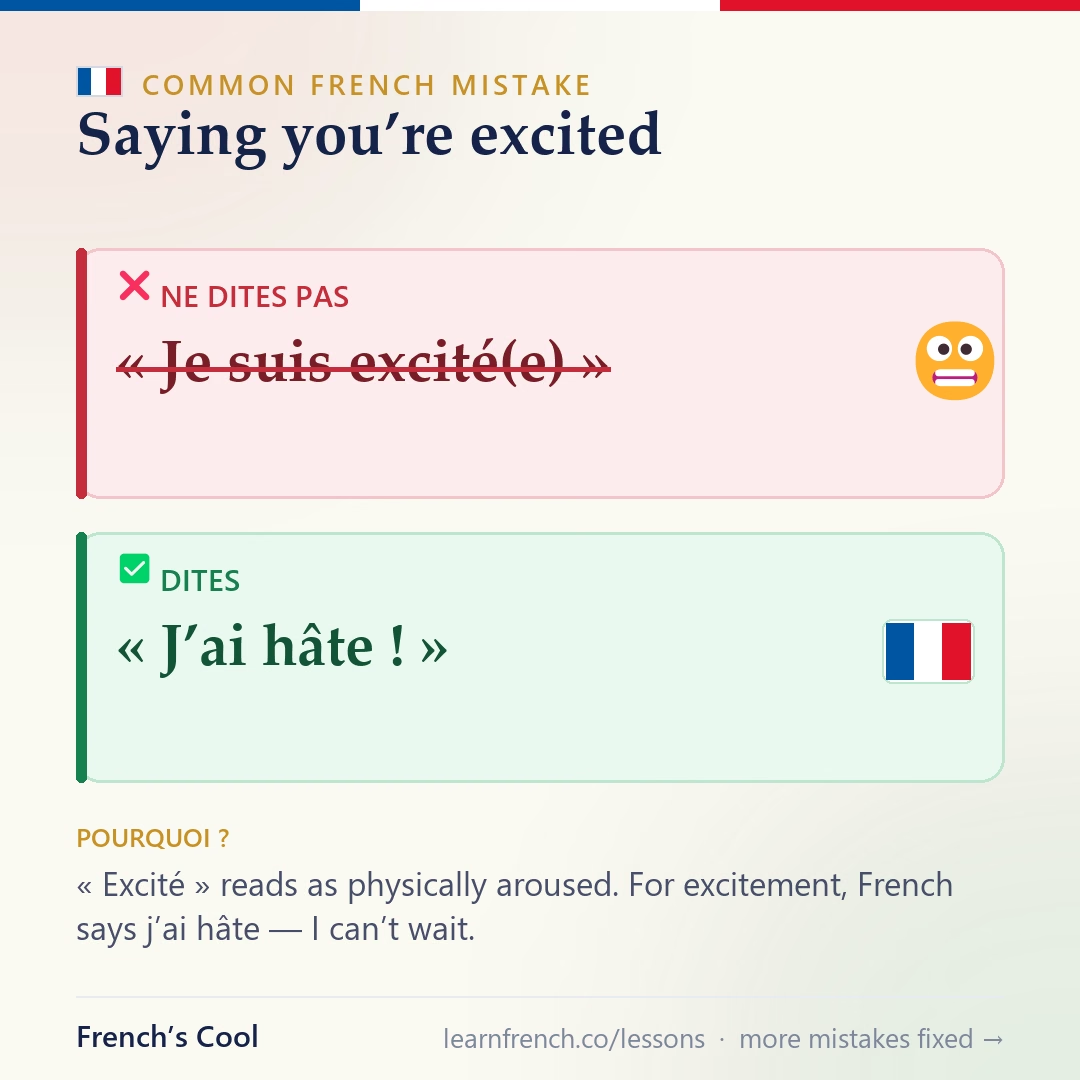
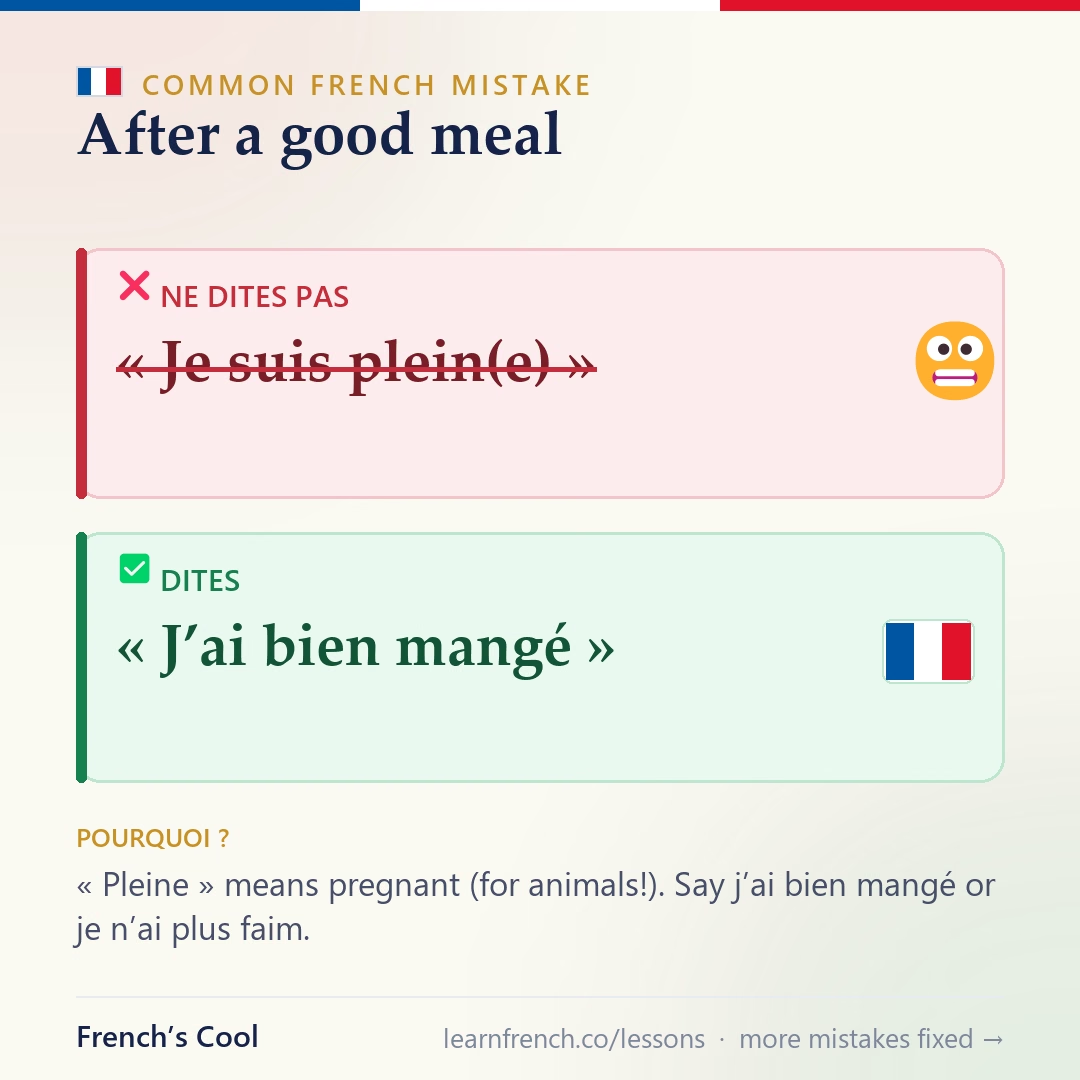
Beginner errors fix themselves; these are the ones that follow anglophone learners for years, because each comes from trying to translate English machinery directly into the french language. The embarrassment tier first, since motivation matters: « je suis excité » does not mean you’re excited — to a french speaker it announces you’re horny (say « j’ai hâte »); « je suis plein » is “I’m full” only if you are a pregnant farm animal (say « j’ai trop mangé »); and a préservatif is a condom, so the English word “preservatives” needs « conservateurs ». Three false friends, three stories every learner eventually tells.
The grammar tier is quieter but marks writing instantly. Gender agreement: every adjective must match its noun, and mixed sentences (une voiture vert) read as red ink — when you learn a new french word, learn its article as part of the word. Word order: most french adjectives FOLLOW the noun (une robe rouge), french adverbs hug the conjugated verb (je mange souvent ici — never *je souvent mange*), and questions need est-ce que or inversion rather than English intonation alone. The verb layer: passé composé with the wrong auxiliary (*j’ai allé*), forgetting the past participle agreement with être, and using dans for time when English says “in” (« en dix minutes » for duration). Even weather in french is a trap: il FAIT froid, with faire, not être — English “it is cold” translated literally sounds alien.
The fix that actually works, whatever tips to help lists promise: make the mistake, get corrected once in context, say the corrected sentence aloud three times. Making mistakes is the mechanism, not the failure — french and english are close enough that 80% transfers cleanly, and language learning is mostly about befriending the 20% that doesn’t. Pronunciation polish (the French accents on é/è change meaning: a/à, ou/où), conjugation drills and the grammatical fine print all come with volume; the survival list above comes from awareness, and awareness you now have. As your native language keeps whispering bad advice, answer it in French.
FAQ
What are common French writing mistakes?
Missing accents (a vs à changes the word), agreement slips (adjectives, past participles with être), and English word order in adverbs and adjectives. Reading your sentence aloud catches half of them — silent French grammar is visible French spelling.
What is the 80/20 rule in French?
Roughly 20% of the language delivers 80% of conversations: the four core tenses, ~1000 words, and the politeness register. This article is the mirror rule — the 20% of errors causing 80% of the friction.
What are the 20 most common writing mistakes?
The top of the list: a/à, ou/où, ces/ses, c’est/s’est, er/é endings (manger vs mangé), missing cedillas, wrong auxiliary, no agreement after être, dans vs en for time, literal translations of English idioms. Master those ten pairs and you outrank most native scribbles.
What is “I love you” in French Canadian?
Same as in France: « je t’aime ». Québec French differs in accent and vocabulary, but love is conjugated identically on both sides of the Atlantic.
savoir vs connaître: the « to know » trap
English has one verb; French has two. Savoir = to know a fact or how to do something: « Je sais nager », « Je sais qu’il vient ». Connaître = to be familiar with a person or place: « Je connais Paris », « Tu connais Marie ? ». Say « je connais nager » and every French speaker winces — this is one of the most common mistakes English speakers make.
The false friends that betray you
Words that look English but mean something else:
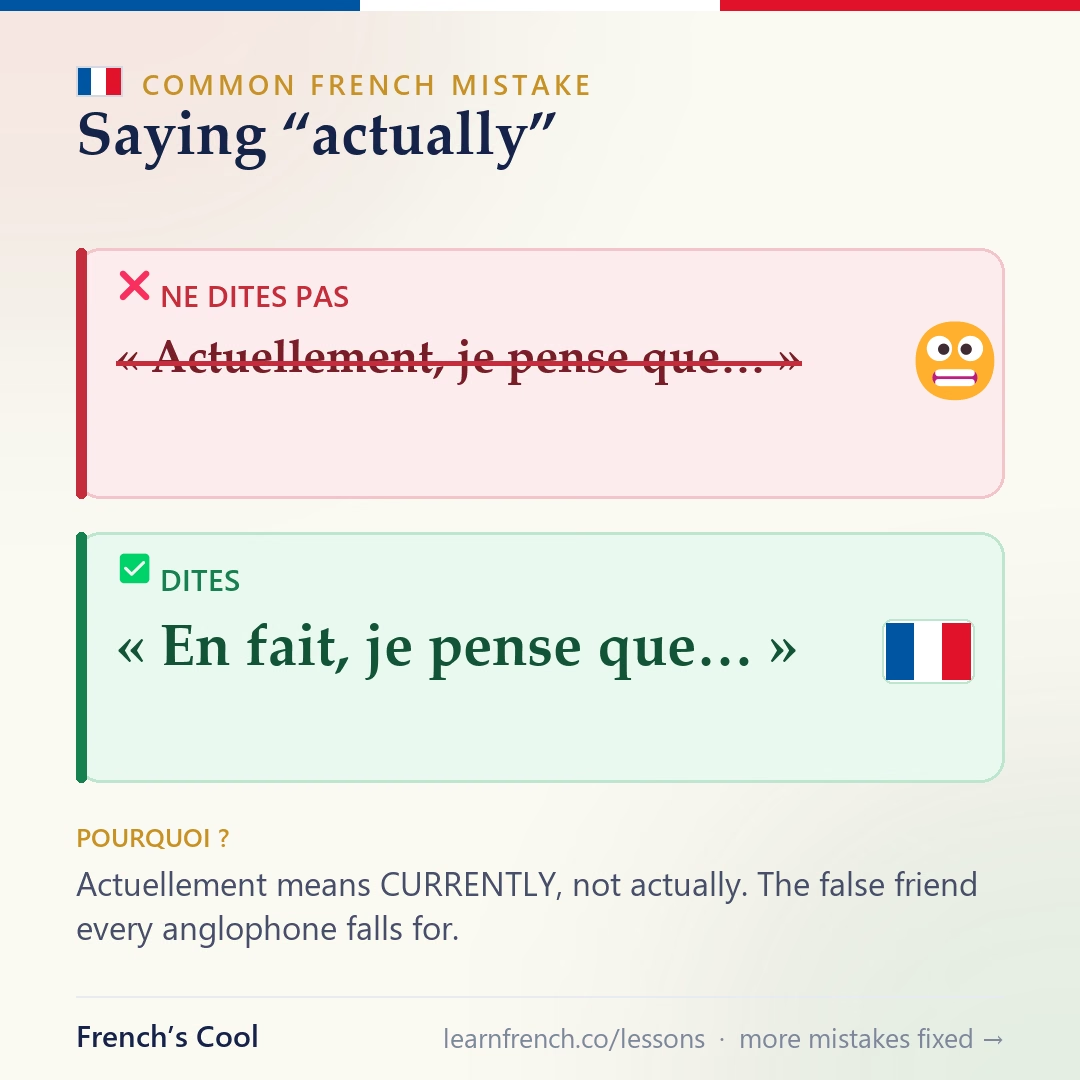
- actuellement = currently (not « actually », which is en fait)
- éventuellement = possibly (not « eventually », which is finalement)
- sensible = sensitive (not « sensible », which is raisonnable)
- librairie = bookshop (not « library », which is bibliothèque)
- attendre = to wait (not « to attend », which is assister à)
Preposition slips: à, de, en
French prepositions rarely map to English one-to-one. « I go to France » is « je vais en France » (not à), but « I go to Paris » is « je vais à Paris ». « I think about you » is « je pense à toi ». Learn each verb with its preposition — jouer à (a sport) vs jouer de (an instrument) — because « à/de » guessing is a top source of common French mistakes.
Common French mistakes FAQ
What is the most common mistake English speakers make in French?
Noun gender — saying « le » for a feminine noun or leaving an adjective without agreement. It rarely blocks understanding, but it’s the error that most marks a learner. The fix: always learn a noun with its article (une voiture, not voiture), covered fully in our noun gender guide.
How do I stop translating word-for-word from English?
Learn whole chunks, not single words: « j’ai faim » (not « je suis faim »), « il fait froid » (not « c’est froid » for weather), « ça me plaît » (not « je like ça »). French builds many everyday ideas differently — collect the set phrases and the word-for-word habit fades.
Do small mistakes really matter?
For being understood, rarely. For sounding fluent, yes — gender, agreement and the right preposition are what separate « correct enough » from « natural ». A teacher who catches them in the moment is the fastest fix; that is what a free lesson is for.
🧰 Your practice kit
This guide gave you the big picture — now drill the details with these free interactive charts (each with audio examples and exercises):
Prefer a human? Book a free lesson with Xavier →
The mistake cards — save these
Save and share these cards — one classic mistake, fixed, per card.


🎬 This article in 20 seconds
The quick version — the full detail is below. More shorts → Open this short as a page — transcript included →