Bon vs Bien: Good, Well, and the French Difference
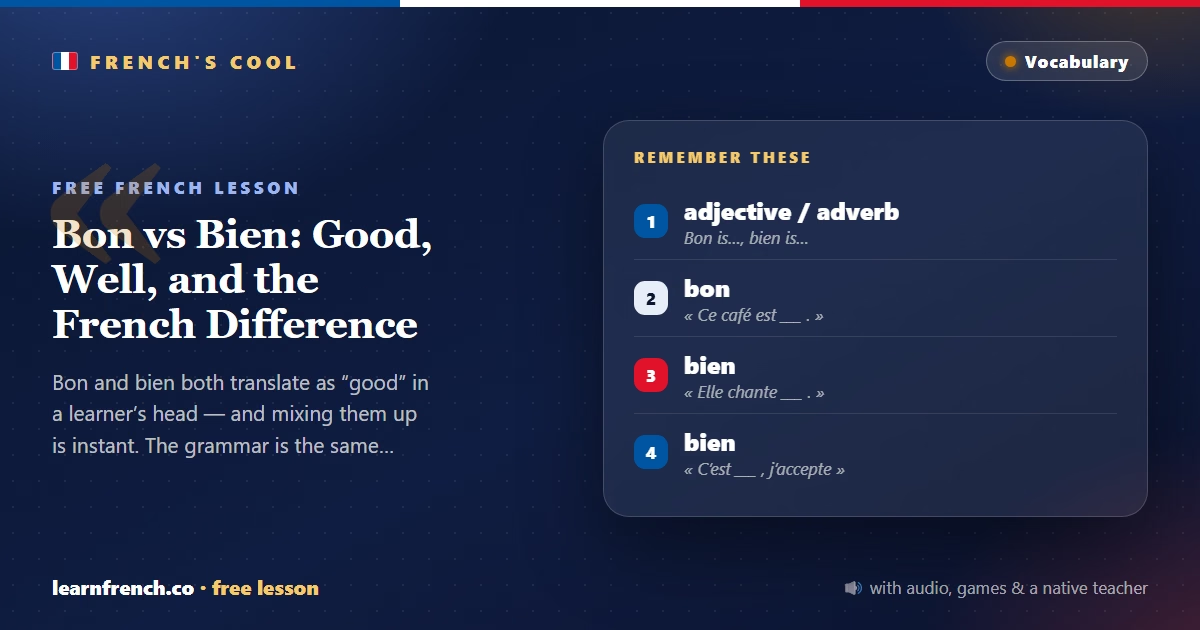
Bon and bien both translate as “good” in a learner’s head — and mixing them up is instant. The grammar is the same as English good vs well… except French bends its own rule in a few famous places.
What you'll learn
Bon and bien both translate as “good” in a learner’s head — and mixing them up is instant. The grammar is the same as English good vs well… except French bends its own rule in a few famous places. Here’s the full picture.
⚖️ bon describes things, bien describes actions
Bon is an adjective — it sticks to nouns and agrees: un bon café, une bonne idée. Bien is an adverb — it modifies verbs and never changes: tu parles bien. English « good/well » is the same split; French just enforces it strictly.
🎬 This lesson in one minute
The quick version — the full lesson is below. More shorts →
The core rule
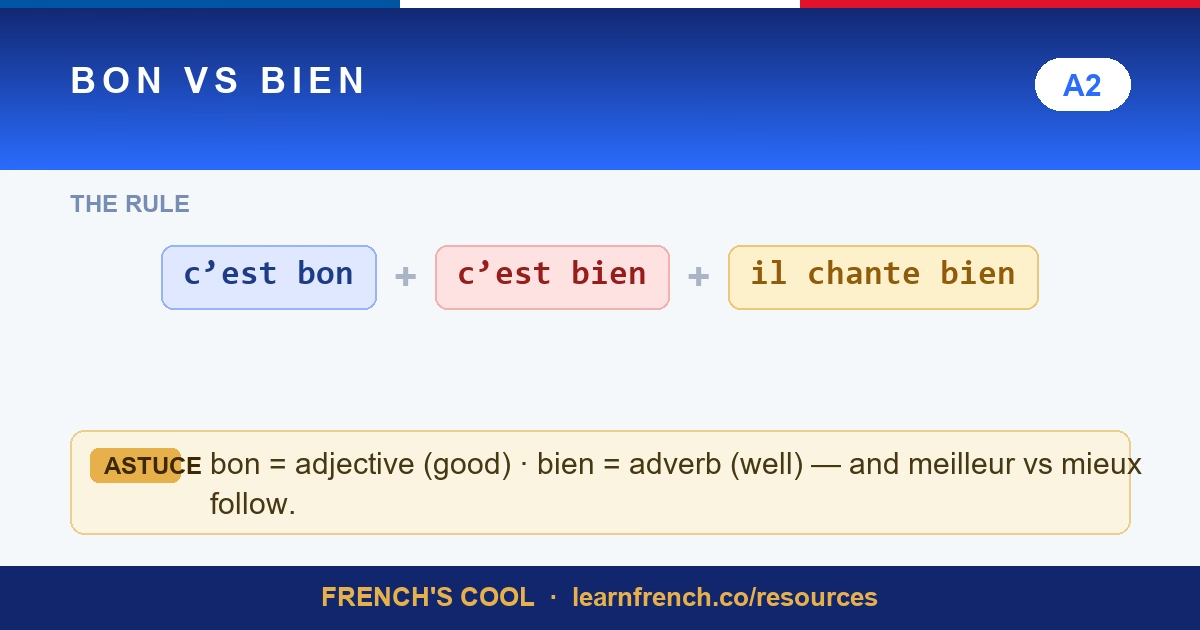
Bon = adjective (describes a NOUN, agrees: bon, bonne, bons, bonnes). Bien = adverb (describes a VERB, never changes).
- Un bon restaurant. — A good restaurant. (noun)
- Elle chante bien. — She sings well. (verb)
- Une bonne idée — but — Il travaille bien.
The famous exceptions
- C’est bon vs c’est bien: c’est bon = tastes good / feels good / that’s enough (physical); c’est bien = that’s good, well done (moral/approval). Say « c’est bien ! » to praise homework; « c’est bon ! » about the soup — or to say “that’s enough!”.
- Sentir bon — smells good: « ça sent bon ! » uses bon even though sentir is a verb (fixed expression).
- Être bien — to be comfortable/attractive/right: « on est bien ici » (it’s nice here).
- Bien as “very/really”: « c’est bien gentil » — a softener you’ll hear constantly.
Comparatives: meilleur vs mieux
The pair keeps its split when comparing: bon → meilleur (better, adjective) and bien → mieux (better, adverb). « Ce café est meilleur » but « je dors mieux ». Never « plus bon » or « plus bien » — French made the irregulars precisely so you wouldn’t say that.
In real sentences
Read each one aloud, then tap 🔊 and shadow the audio — rhythm first, speed later.
Drill it: adjective placement · c’est vs il est · adjective agreement
✍️ Your turn: bon or bien?
« She sings well » = ? (verb)
Show answer
Elle chante bien.
« a good restaurant » = ? (noun, agree)
Show answer
Un bon restaurant / une bonne table.
« good at maths » = ? (set phrase)
Show answer
Être bon(ne) EN maths — bon en + subject.
C’est bon vs c’est bien — the real difference? (senses vs judgement)
Show answer
C’est bon = tasty / it works / that’s enough (senses & function). C’est bien = well done / morally good (approval). « C’est bien, continue ! » but « c’est bon, arrête ».
And one floor up: « better » = ? (two words again)
Show answer
Meilleur for bon (un meilleur café), mieux for bien (tu parles mieux). The pair keeps its split in the comparative.
FAQ
« Je suis bon en français » or « je suis bien en français »?
« Je suis bon(ne) en français » — good AT something is bon en. Bien would say you’re comfortable, not skilled.
Why do the French answer « ça va bien »?
Because aller is a verb — going WELL needs the adverb: ça va bien, je vais bien. « Ça va bon » doesn’t exist.
What’s « bon » doing in bon appétit / bonne journée?
Pure adjective use — wishing someone a GOOD meal, a GOOD day: bon voyage, bonne chance, bonne nuit. Note the agreement: bon appétit (m) but bonne journée (f).
Adjective mechanics live in the agreement chart; adverbs in les adverbes.
Why do the French say « il est bien, ce film » with être?
After être about people and works, bien = worthy, likeable, well-made — a judgement. Un film bon would sound odd; c’est un bon film or il est bien are the natural options. Learners can survive on c’est un bon + noun.
What about bien as « really / quite »?
Very common intensifier: c’est bien loin (that’s quite far), je veux bien (I’d gladly), il a bien ri (he really laughed). Meet it in context and translate it as « indeed / really ».
Quick practice
Play the Quiztap to start · quick practice from this material
Keep going: Ready to compare things properly? Take comparatives & superlatives.
🎬 Watch next: Watch the trap in action — Elisa on why to stop saying « c’est bon ».