Avoir Expressions: Why the French HAVE Hunger, Fear & Luck
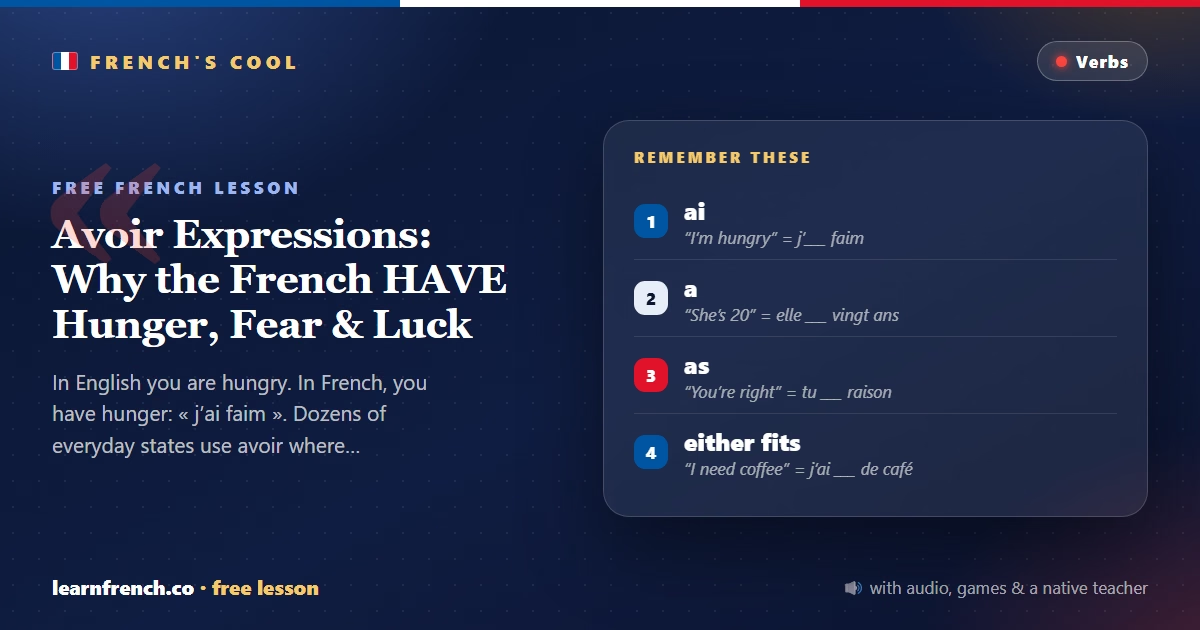
In English you are hungry. In French, you have hunger: « j’ai faim ». Dozens of everyday states use avoir where English uses to be — and using être instead is one of the most common beginner mistakes.
What you'll learn
In English you are hungry. In French, you have hunger: « j’ai faim ». Dozens of everyday states use avoir where English uses to be — and using être instead is one of the most common beginner mistakes. Learn this one pattern and a whole family of expressions clicks into place.
🎬 This lesson in one minute
The quick version — the full lesson is below. More shorts →
The essential avoir expressions
| French | Literally | Means |
|---|---|---|
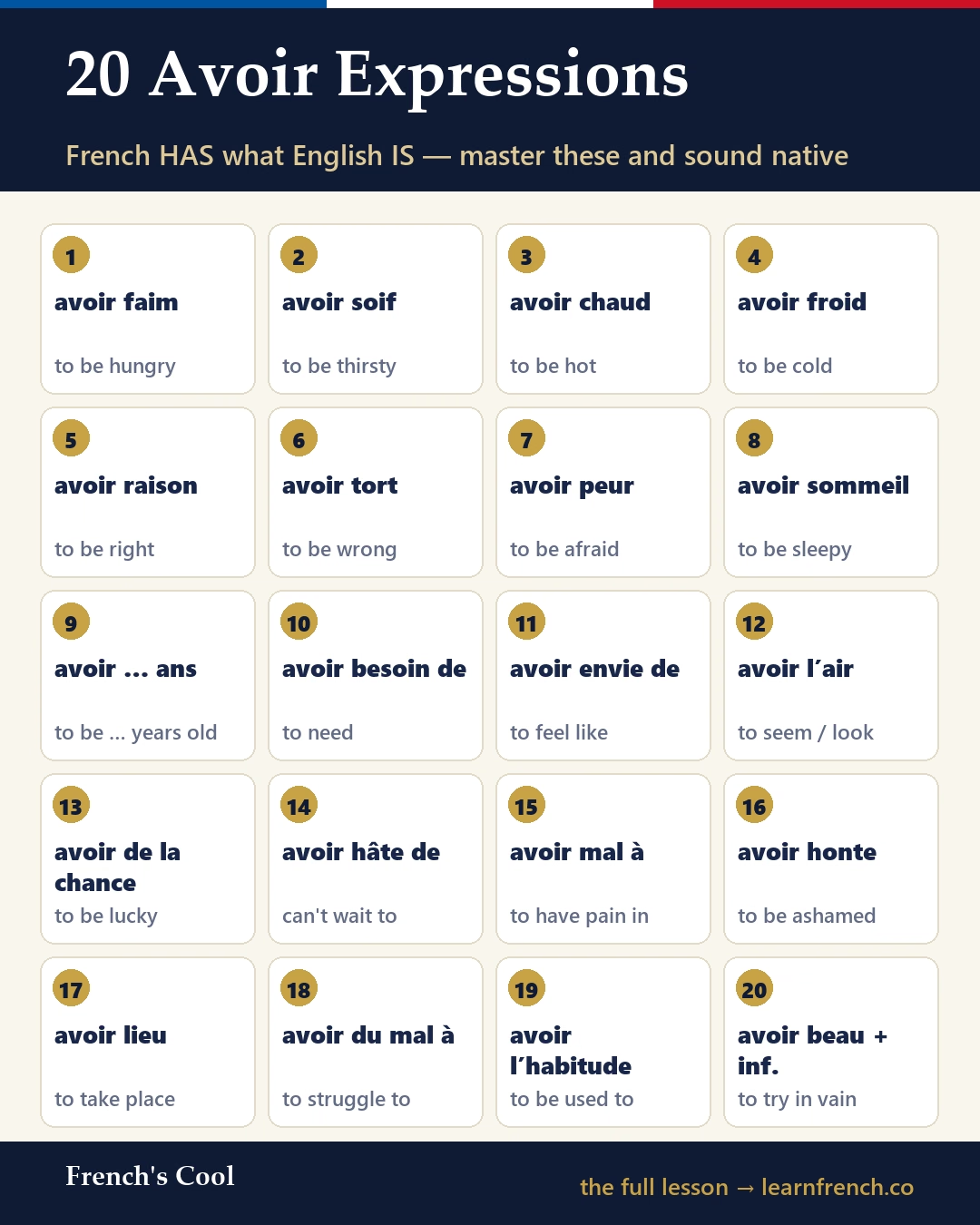
| avoir faim | to have hunger | to be hungry |
| avoir soif | to have thirst | to be thirsty |
| avoir peur (de) | to have fear | to be afraid (of) |
| avoir raison / tort | to have right / wrong | to be right / wrong |
| avoir chaud / froid | to have hot / cold | to be hot / cold |
| avoir sommeil | to have sleepiness | to be sleepy |
| avoir de la chance | to have luck | to be lucky |
| avoir besoin de | to have need of | to need |
| avoir envie de | to have desire of | to feel like |
| avoir … ans | to have … years | to be … years old |
The golden rule (and the classic mistake)
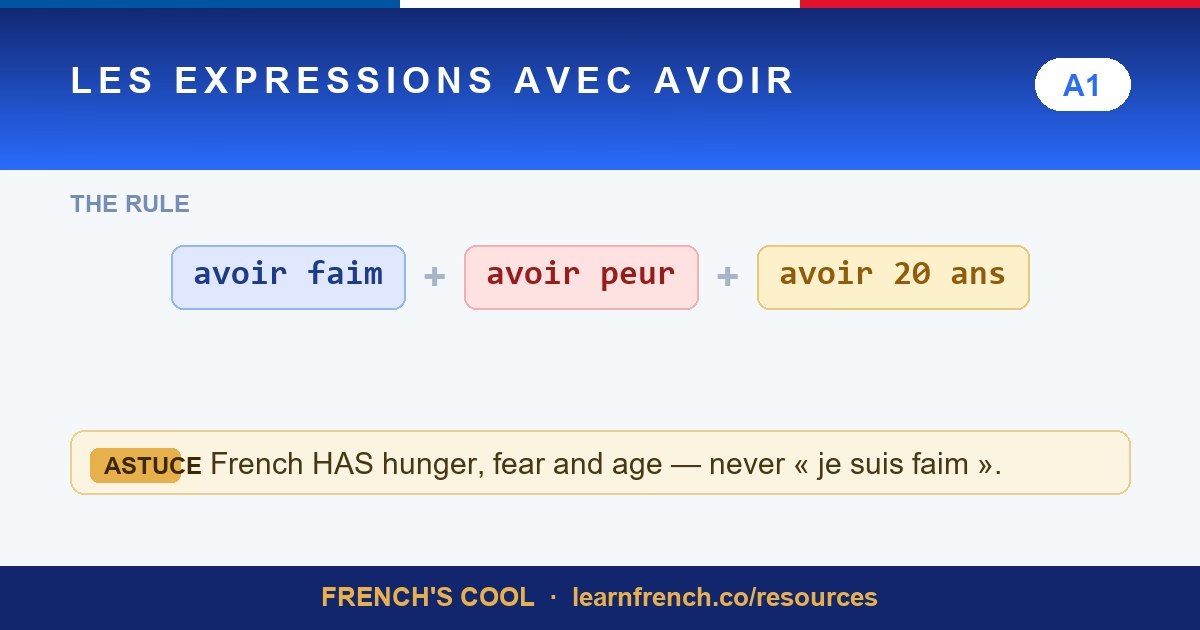
Never « je suis faim » — that literally says I am a hunger. These states are things you possess in French. And because faim, soif, peur are nouns, there’s no adjective agreement: « elle a faim », never « elle a faime ». To intensify, use très: « j’ai très faim » (I’m very hungry).
Age: the one that surprises everyone
French people have their age: « J’ai trente ans » — I have thirty years. Asking is « Quel âge as-tu ? » (or « avez-vous »). Answering with être (« je suis trente ») is instantly recognisable as an anglicism — this single expression is worth over-practising. Drill avoir’s full conjugation on the avoir chart.
Hear it in 30 seconds
Xavier’s quick clip « J’ai faim, tu as soif » puts the pattern in your ear — then practise on the emotions chart.
Avoir mal: talking about pain
The doctor’s-office essential — avoir mal à + body part:
- J’ai mal à la tête. — I have a headache.
- Il a mal au ventre. — His stomach hurts. (à+le = au)
- J’ai mal aux dents. — My teeth hurt. (à+les = aux)
Pair it with the body parts chart and you can describe any ache. Related and equally useful: avoir l’air + adjective (to seem) — « tu as l’air fatigué » (you look tired) — and avoir lieu (to take place): « le cours a lieu lundi ».
FAQ
Why does French use avoir instead of être for hunger and age?
French inherited the Latin habit of treating these states as possessions — you have hunger, fear, or thirty years. It’s not logical, it’s historical; every Romance language does something similar (Spanish tengo hambre).
Is it ever être faim or être froid?
Never « être faim ». But careful: « je suis froid » exists — it means you’re a cold PERSON (personality). For temperature it’s « j’ai froid ». The verb changes the meaning entirely.
How do I say « I really feel like a coffee »?
« J’ai très envie d’un café » — avoir envie de + noun or infinitive is THE way to express wanting/feeling like something. It’s softer than « je veux » and used constantly.
Quick practice
Play the Quiztap to start · quick practice from this material
Keep going: Avoir also powers half of French’s best idioms: 15 idioms natives actually use.
📊 Chart it: All six tenses of the busiest verb in French: the avoir chart.