Pardon, Désolé, Excusez-moi: How to Apologize in French
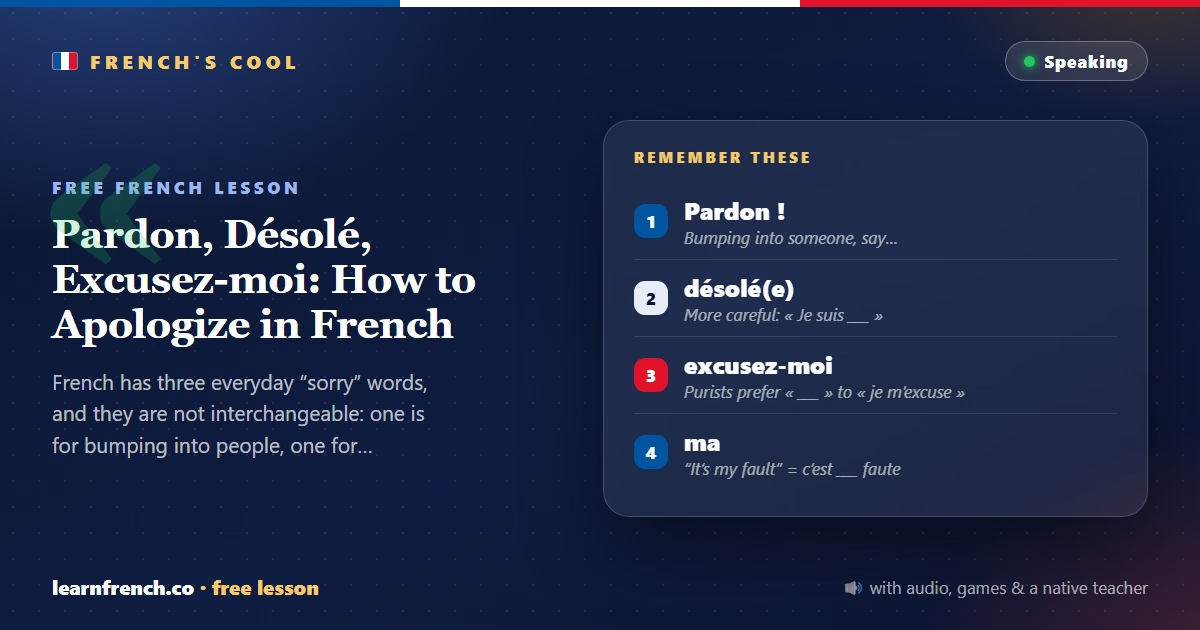
French has three everyday “sorry” words, and they are not interchangeable: one is for bumping into people, one for getting attention, one for actual apologies.
What you'll learn
French has three everyday “sorry” words, and they are not interchangeable: one is for bumping into people, one for getting attention, one for actual apologies. Learning how to apologize in French is really about picking the right tool — here’s the whole kit.
🙇 Four rungs, from bump to letter
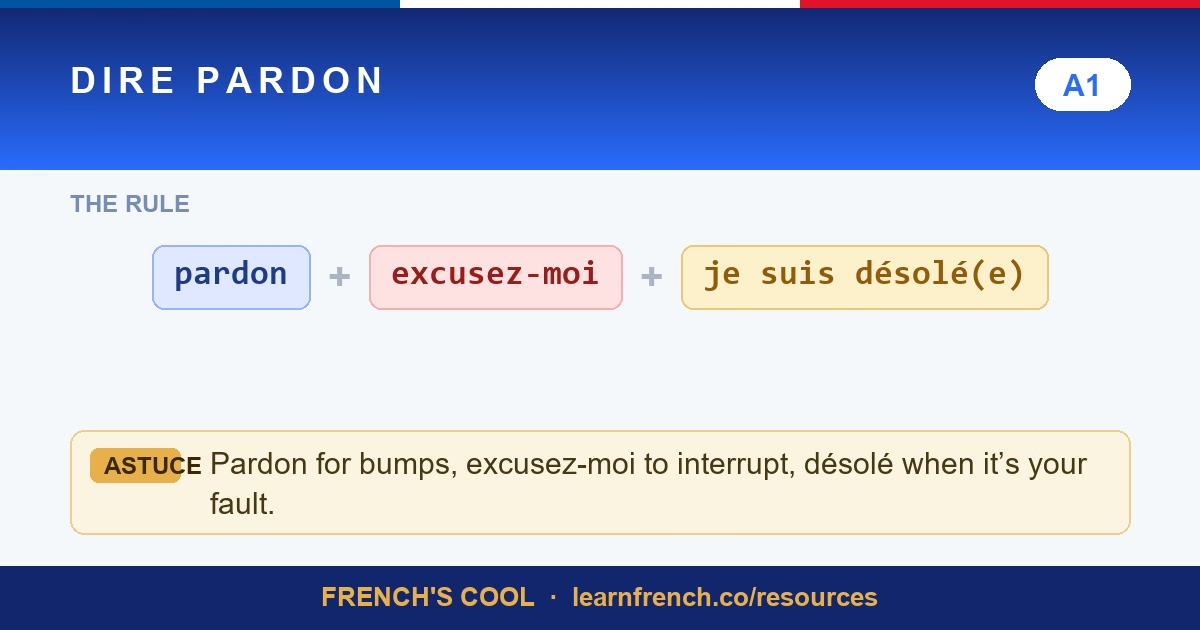
Pardon (a bump, a sneeze past someone) → excuse-moi / excusez-moi (attention or small fault) → je suis désolé(e) (real regret) → toutes mes excuses / je vous prie de m’excuser (formal, written). Choose the rung that matches the damage — over-apologising sounds as odd as under-apologising.
🎬 This lesson in one minute
The quick version — the full lesson is below. More shorts →
The big three
| Say | When | English feel |
|---|---|---|
| Pardon | bumping someone, squeezing past, mishearing | sorry / excuse me (reflex) |
| Excusez-moi | getting attention, interrupting, light fault | excuse me |
| Je suis désolé(e) | a real apology — you did something | I’m sorry |
On the métro at rush hour you’ll use pardon five times a minute; désolé is for when you’re late, wrong, or breaking bad news. With friends, drop to excuse-moi and plain désolé — see tu vs vous for the switch.
Levelling it up (or down)
- Désolé pour le retard ! — Sorry I’m late! (the everyday classic)
- Je suis vraiment/sincèrement désolé(e). — I’m really/truly sorry.
- Toutes mes excuses. — My apologies. (crisp, slightly formal)
- Je vous prie de m’excuser. — Please accept my apologies. (formal email register)
- C’est (de) ma faute. — It’s my fault. (owning it)
Accepting an apology
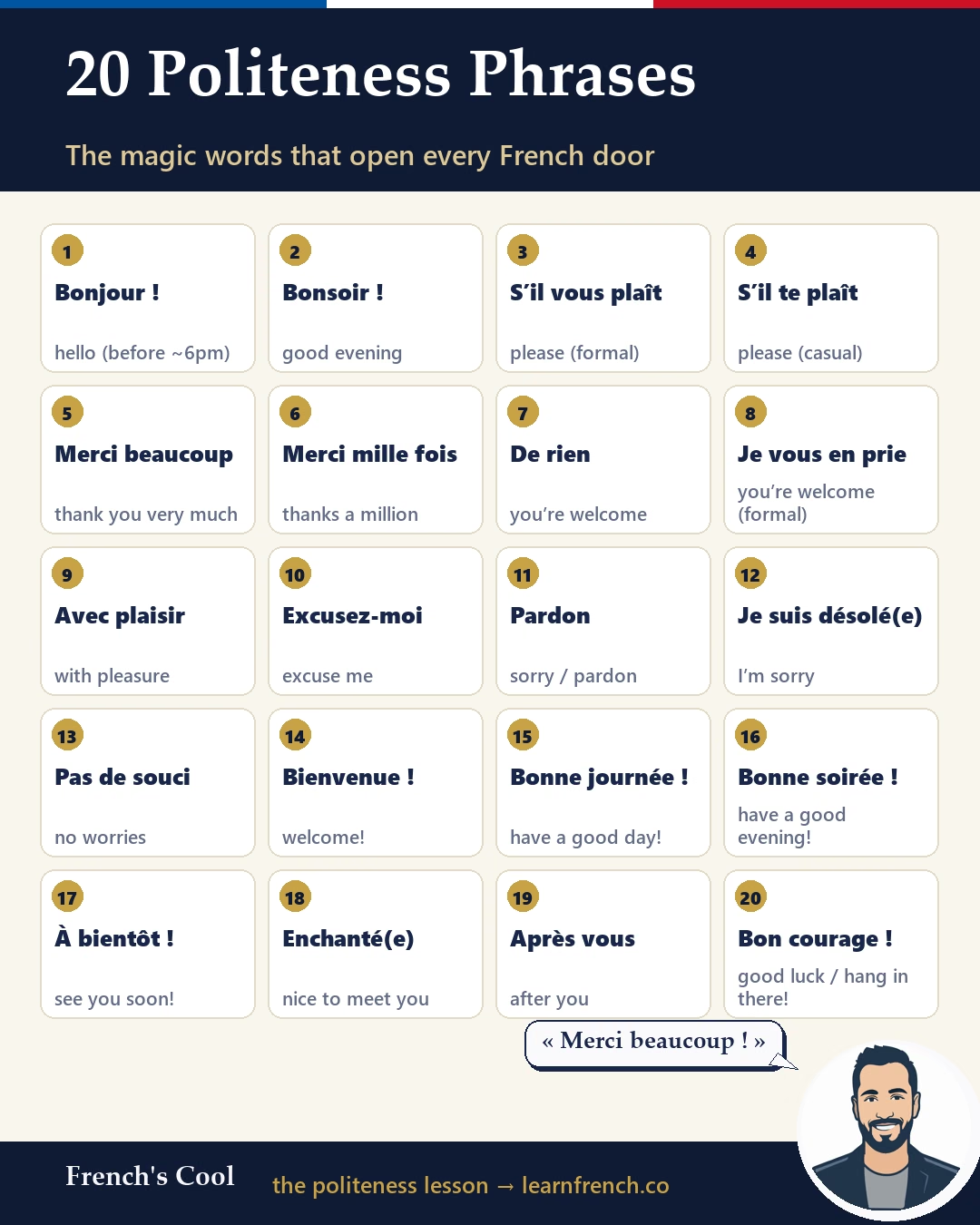
Someone apologizes to YOU? The natural replies: Ce n’est pas grave (no harm done — the default), Pas de souci (no worries, casual), Je vous en prie / Je t’en prie (formal “please, don’t mention it”), or a simple Ça arrive (it happens).
In real sentences
Read each one aloud, then tap 🔊 and shadow the audio — rhythm first, speed later.
Drill it: professional apologies · writing French emails · tu or vous at work
✍️ Your turn: pick the rung
You brush past someone in the métro. One word? (rung 1)
Show answer
Pardon.
You stop a stranger for directions. Opener? (rung 2, vous)
Show answer
Excusez-moi… (excuse-moi with friends).
A woman writes « I’m sorry » — spelling? (agreement)
Show answer
Je suis désolée — the adjective agrees with the speaker.
Formal email apology, one sentence. (rung 4)
Show answer
Je vous prie de m’excuser pour ce retard. (Or: Veuillez accepter toutes mes excuses.)
Someone apologises to YOU. Two natural replies? (close the loop)
Show answer
Ce n’est pas grave. / Il n’y a pas de mal. (Friendlier: t’inquiète !)
FAQ
Is “je m’excuse” wrong?
You’ll hear it constantly, but purists frown — literally it means “I excuse myself”, granting your own pardon. Safe move: excusez-moi or je suis désolé in careful company; je m’excuse among friends is fine.
What’s the difference between désolé and navré?
Navré is désolé in a suit — more formal, often for sympathy: je suis navré de l’apprendre (I’m so sorry to hear that). Daily life runs on désolé.
Do I need the extra -e?
In writing, yes: a woman writes désolée, navrée. In speech they sound identical, so nobody hears your agreement — one of French’s rare mercies.
All the politeness essentials — greetings, please, thank you — live on the greetings & politeness chart, and French small talk covers what to say once you’ve been forgiven.
Is « je m’excuse » wrong?
Purists twitch — literally it means « I excuse myself », granting your own pardon. Millions of French speakers say it daily anyway. Safe path: say excuse-moi / je te présente mes excuses, and let natives keep je m’excuse.
How do I apologise for my French itself?
Don’t over-do it — one light line then keep going: « Désolé, mon français est encore un peu lent ». The French consistently reward learners who push on more than those who apologise twice per sentence.
Quick practice
Play the Quiztap to start · quick practice from this material