Amener, Emmener, Apporter, Emporter: Bring & Take, Solved
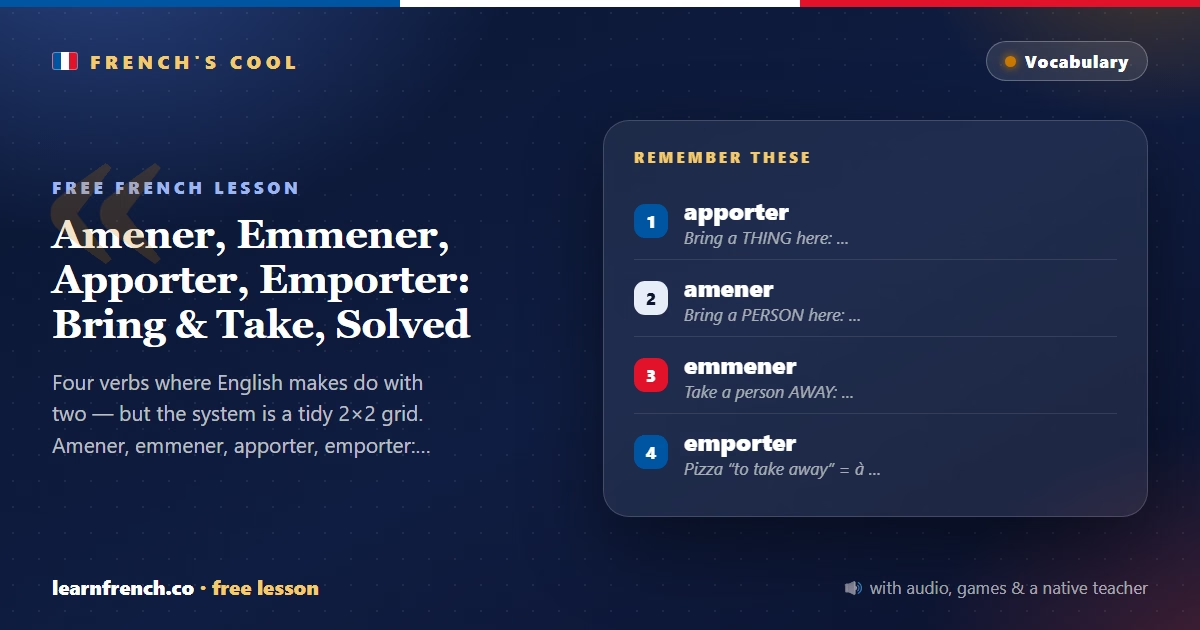
Four verbs where English makes do with two — but the system is a tidy 2×2 grid. Amener, emmener, apporter, emporter: one axis is WHO/WHAT you’re moving, the other is WHICH DIRECTION.
What you'll learn
Four verbs where English makes do with two — but the system is a tidy 2×2 grid. Amener, emmener, apporter, emporter: one axis is WHO/WHAT you’re moving, the other is WHICH DIRECTION. Learn the grid once, never hesitate again.
🧳 -mener for people, -porter for things
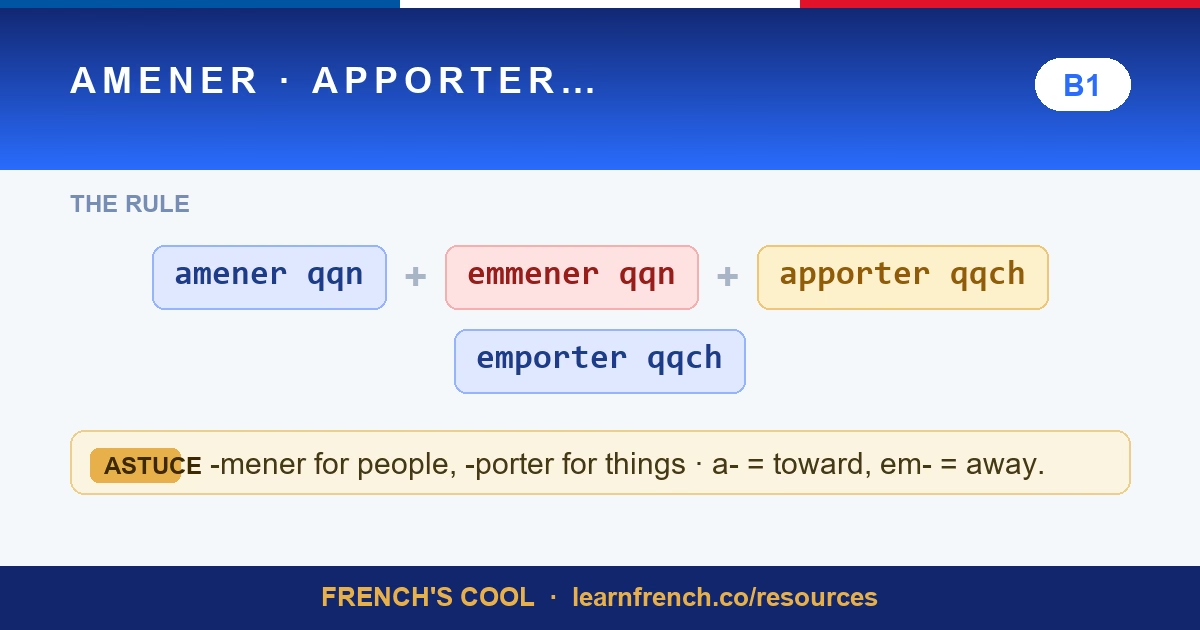
Two stems, two prefixes. -mener = lead someone (people, pets); -porter = carry something (objects). Prefix a- points toward where you’re going (bring); em- means it stays with you (take along). Four verbs, one 2×2 grid.
🎬 This lesson in one minute
The quick version — the full lesson is below. More shorts →
The grid
| a- = bring (toward here/there) | em- = take (away, with you) | |
|---|---|---|
| People (-mener, to lead) | amener: J’amène ma sœur à la fête. | emmener: Je t’emmène à l’aéroport. |
| Things (-porter, to carry) | apporter: J’apporte le dessert. | emporter: Emporte un parapluie ! |
Memory hooks: -mener = lead (people walk on their own legs); -porter = carry (things need carrying). a- points AT the destination; em- (from « en ») means away/along WITH you.
The takeaway test
France’s takeaway counters have the rule printed on every menu: « à emporter » — to take away (a thing, going away with you). « Sur place ou à emporter ? » — eating in or taking away? You now understand takeaway French at a native level.
The re- family: bringing things back
- ramener — bring/take someone back: Je te ramène chez toi. (the end-of-party classic)
- rapporter — bring a thing back: Tu peux rapporter les verres ? Also: to return a purchase.
- remporter — carry something back off… and idiomatically, to WIN: remporter un prix.
In real sentences
Read each one aloud, then tap 🔊 and shadow the audio — rhythm first, speed later.
Drill it: savoir vs connaître · object pronouns · all verb charts
✍️ Your turn: bring or take?
Bring the wine to the party: j’___ le vin. (a thing, toward)
Show answer
apporte — a thing you carry toward the destination.
Take the kids to school: il ___ les enfants. (people, along with him)
Show answer
emmène.
A pizza « à emporter » is…? (street sign)
Show answer
Takeaway — food you carry off with you.
« This road takes you to the beach » : cette route vous ___ à la plage. (leads you toward)
Show answer
amène.
Real French speakers say « j’amène le dessert » — wrong? (honest answer)
Show answer
Extremely common in speech, technically loose. Keep the -porter/-mener line in writing and exams; forgive it at dinner parties.
FAQ
Is « amener » for things really wrong?
In careful French, yes — j’apporte le vin, not j’amène le vin. In relaxed speech the French say « j’amène le vin » constantly. Know the rule, forgive the natives.
Amener or emmener for « I’ll take you to the station »?
Both appear, but the logic: emmener if the focus is you taking them along (je t’emmène), amener if the focus is delivering them there (je t’amène à la gare). With à + destination, either is idiomatic.
How do I remember which prefix is which?
a- = arrival (bring TO), em- = exit (take AWAY). Pair each with one anchor phrase: j’apporte le dessert / plats à emporter.
Conjugate the family on the venir and prendre charts (mener and porter are regular -er verbs), and pack them into your travel phrasebook.
What about ramener and rapporter?
Add re- and everything comes BACK: ramener quelqu’un (drive someone home), rapporter quelque chose (bring something back — also « to snitch » in playground French). Same people/things split.
Which one for abstract things like luck or news?
They count as things: apporter de bonnes nouvelles, apporter de la chaleur à une pièce. And note the idiom l’appétit vient en mangeant… but news, luck and proof all travel with -porter.
Quick practice
Play the Quiztap to start · quick practice from this material