French Connectors: Mais, Donc, Alors & the Words That Glue Sentences
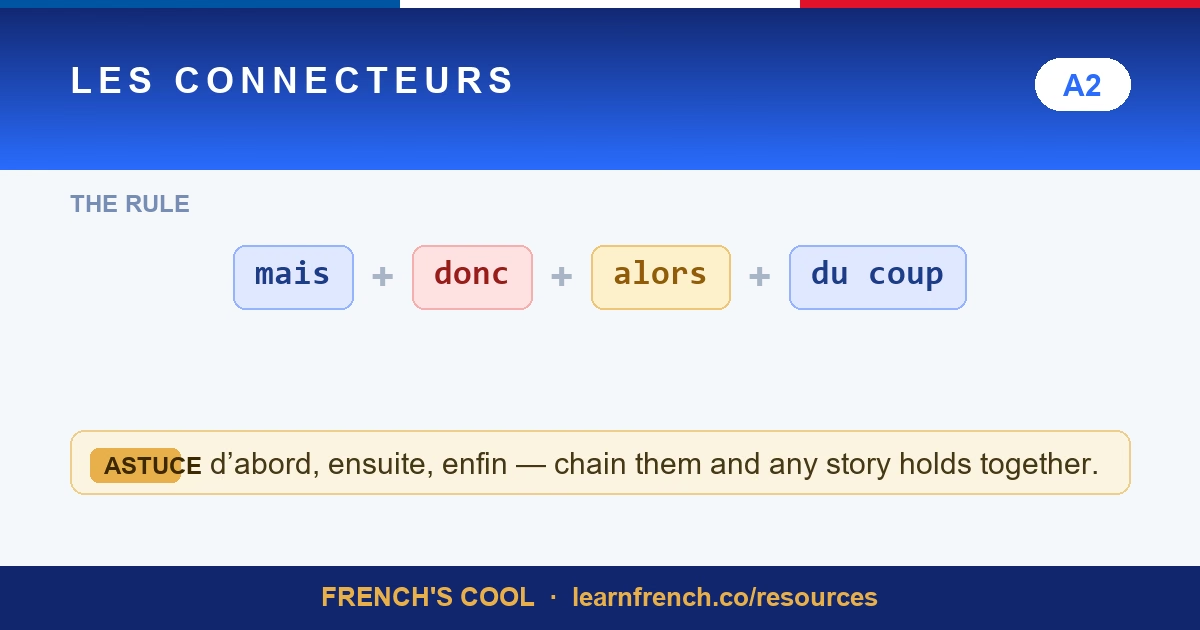
Vocabulary makes sentences; connectors make paragraphs. These little linking words — mais, donc, alors, ensuite — are what turn choppy beginner French into flowing speech.
What you'll learn
Vocabulary makes sentences; connectors make paragraphs. These little linking words — mais, donc, alors, ensuite — are what turn choppy beginner French into flowing speech. Here are the ones that matter, in the order you’ll need them.
🧩 Upgrade your glue, level by level
A1 glue: et, mais, donc, parce que. Storytelling: d’abord, ensuite, enfin. B1 contrast and cause: pourtant, malgré, grâce à, à cause de. Writing: néanmoins, en revanche, par conséquent. Swap one rung up per essay and your French visibly matures.
🎬 This lesson in one minute
The quick version — the full lesson is below. More shorts →
The survival six
| Connector | Means | Example |
|---|---|---|
| et | and | Un café et un croissant. |
| mais | but | C’est cher, mais c’est bon. |
| ou | or | Thé ou café ? |
| donc | so / therefore | Je pense, donc je suis. |
| parce que | because | Je reste parce qu’il pleut. |
| alors | so / then | Alors, on commence ? |
Telling a story: the sequence set
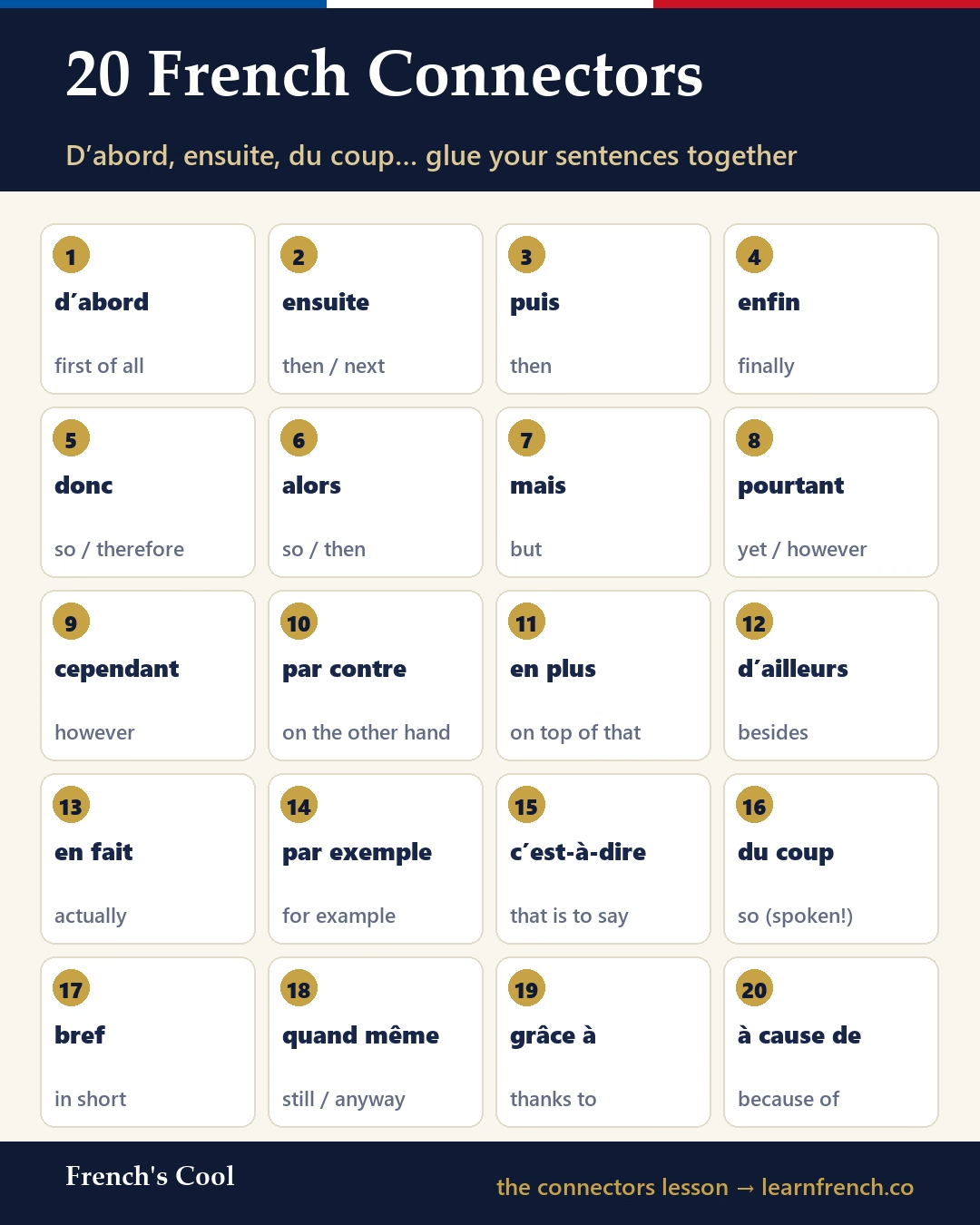
D’abord (first), ensuite/puis (then), après (after), enfin (finally). Chain them and any anecdote holds together: « D’abord on a visité le Louvre, puis on a mangé, et enfin on est rentrés. » Pair them with the passé composé and you’re telling stories.
Sounding natural: the spoken glue
- du coup — “so/as a result”: the most overused (and most native) connector in modern spoken French.
- en fait — “actually”: softens corrections.
- bref — “anyway/in short”: rescues you from any story that’s gone on too long.
- par contre — “on the other hand”: the everyday contrast word.
Essay & exam connectors (DELF gold)
Writing for an exam? These structured connectors organise any argument and are exactly what DELF examiners reward:
| Role | Connectors |
|---|---|
| Introducing | tout d’abord, en premier lieu |
| Adding | de plus, en outre, par ailleurs |
| Contrasting | cependant, en revanche, néanmoins |
| Weighing | d’une part… d’autre part |
| Concluding | en conclusion, en somme, ainsi |
Sprinkle two per paragraph — not more — and pair with the DELF study plan.
Puis, ensuite, après: the sequence trio sorted
They all mean roughly “then/after”, with different jobs: puis is the light, quick link (« on a mangé, puis on est partis »); ensuite is its slightly fuller twin, happy to start a sentence (« Ensuite, on a visité le musée »); après needs care — alone it’s an adverb (« Après, on verra »), before a noun it’s a preposition (« après le dîner »), and with a verb it wants the past infinitive (« après avoir mangé »).
Your connector ladder, level by level
| Level | Own these |
|---|---|
| A1 | et, mais, ou, parce que |
| A2 | donc, alors, puis, ensuite, d’abord, enfin |
| B1 | pourtant, par contre, du coup, en fait, car |
| B2+ | cependant, néanmoins, en revanche, d’une part… d’autre part |
One new connector a week, used five times in real sentences, beats memorising the whole list. The complete ladder with audio: connectors chart.
In real sentences
Read each one aloud, then tap 🔊 and shadow the audio — rhythm first, speed later.
Drill it: spoken fillers · writing French emails · the French CV
✍️ Your turn: choose the glue
Positive cause vs negative cause: ___ toi j’ai réussi / ___ toi on est en retard. (two prepositions)
Show answer
Grâce à toi (credit) / à cause de toi (blame) — French forces you to pick a side.
What does pourtant signal? (faux ami feeling)
Show answer
Contrast — « and yet ». It never means « therefore » despite its confident sound.
Malgré takes a noun or a clause? (strict diet)
Show answer
A noun only: malgré la pluie. For a clause use bien que + subjunctive (bien qu’il pleuve).
Donc vs alors in speech? (twins with habits)
Show answer
Nearly interchangeable; donc leans logical conclusion, alors leans « so then / in that case » and opens sentences: Alors, on commence ?
Close a DELF essay in two words. (the exam move)
Show answer
Pour conclure, / En conclusion, — then one sentence of summary. Examiners tick the box every time.
FAQ
What is the difference between donc and alors?
They overlap. Donc leans logical (therefore); alors leans temporal/conversational (so, then, well). At B1, treat alors as the spoken default and donc for real cause-effect.
Is « car » the same as « parce que »?
Same meaning (because), different register: car is mostly written/formal and can’t start an answer. In speech, parce que wins.
Where can I level these up?
The full ladder — from et/mais to néanmoins and en revanche — is on the connectors chart, with per-level lessons and posters in the poster gallery.
How many connectors do I really need?
A working dozen beats a memorised fifty: et, mais, donc, parce que, d’abord, ensuite, enfin, pourtant, malgré, grâce à, en revanche, pour conclure. Own those twelve in speech AND writing before collecting rarities.
Is du coup acceptable in an essay?
No — du coup is the spoken-French tic of the decade and examiners know it. On paper, promote it to donc, par conséquent or ainsi. In conversation, use it freely like everyone under forty.
Quick practice
Play the Quiztap to start · quick practice from this material
📊 Chart it: Practise them with audio and exercises: les connecteurs logiques.